
Driving in Costa Rica: 2026 Guide with Maps, Travel Times & Road Conditions
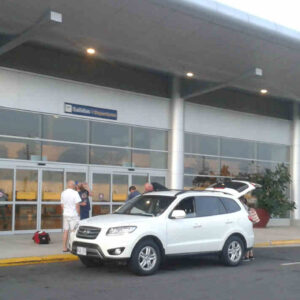 Driving in Costa Rica can be an incredible experience. The country offers lush rainforests, volcano views, and coastal highways that make road trips feel like part of the adventure.
However, travelers are often surprised that distances in Costa Rica take much longer to drive than expected. Mountain roads, traffic, weather, and rural infrastructure can significantly increase travel time.
Before deciding whether to rent a car or arrange private transportation, here is everything you should know about road conditions, driving times, maps, and safety tips for 2026.
Is Driving in Costa Rica Easy for Tourists?
Yes — but it depends on your expectations.
Costa Rica has a mix of modern highways, narrow mountain roads, and rural gravel routes. Many popular destinations like La Fortuna, Monteverde, and Nosara require driving through winding mountain terrain.
Another challenge is navigation. Outside of major cities, many streets don’t have official names or addresses, and locals often give directions using landmarks instead.
For confident drivers, this can be manageable. But travelers who prefer a stress-free arrival often choose private transportation from the airport instead.
Costa Rica Road Conditions Explained
Road quality varies widely depending on where you are traveling.
Highways
Costa Rica’s main highways are paved and generally in good condition. Major routes connect the Central Valley with Guanacaste and the Pacific coast.
However, these highways often include:
-
Steep hills
-
Sharp curves
-
Heavy truck traffic
-
Limited passing zones
Speed limits on highways usually range from 80–100 km/h.
Mountain Roads
Many of Costa Rica’s most popular destinations sit in mountainous regions.
Examples include:
-
Monteverde
-
La Fortuna
-
San Gerardo de Dota
-
Some parts of Guanacaste
These roads often include:
-
Tight curves
-
Fog
-
Steep inclines
-
Limited guardrails
Travel times here are slower than expected, especially during rain.
Rural and Gravel Roads
Outside tourist towns you may encounter:
-
Dirt roads
-
Potholes
-
Narrow bridges
-
River crossings
These areas may require a 4×4 SUV, especially during the rainy season.
Speed Limits and Driving Rules
Driving laws are similar to North America or Europe, but enforcement can be strict.
Typical limits include:
-
Urban areas: ~40 km/h
-
Secondary roads: ~60 km/h
-
Highways: 80–100 km/h
-
School zones: 25 km/h
Other important rules:
-
Seatbelts are mandatory for all passengers
-
Using a phone while driving is illegal without hands-free
-
Blood alcohol limit is 0.05%
Police checkpoints are also common, so always carry your driver’s license and passport copy.
Typical Travel Times Between Major Destinations
Distances in Costa Rica may look short on a map, but the terrain makes travel slower.
Here are realistic travel times travelers should plan for:
| Route | Distance | Average Drive Time |
|---|---|---|
| San José → La Fortuna | ~130 km | 3–4 hours |
| San José → Manuel Antonio | ~170 km | 3–4 hours |
| Liberia Airport → Tamarindo | ~80 km | 1.5 hours |
| Liberia Airport → Papagayo | ~35 km | 45 minutes |
| San José → Monteverde | ~140 km | 4–5 hours |
Always add extra time for:
-
Construction
-
Traffic
-
Rain
-
Mountain roads
Costa Rica Driving Map (Main Tourist Routes)
Most travelers follow a few main transportation corridors:
Route 1 (Interamericana Highway)
Connects San José to Liberia and Guanacaste.
Route 27
Fast toll highway between San José and the Pacific coast.
Route 32
Main highway to the Caribbean coast (Limón).
Route 142 / 141
Routes connecting La Fortuna to Guanacaste and Monteverde.
Using apps like Waze is recommended because they provide real-time traffic updates and route alerts.
Dry Season vs Rainy Season Driving
Costa Rica has two primary seasons.
Dry Season (December – April)
Best driving conditions:
-
Clearer mountain views
-
Dry roads
-
Easier access to remote areas
However, it’s also the busiest tourist season.
Rainy Season (May – November)
Expect:
-
Afternoon storms
-
Slippery roads
-
Flooding in rural areas
Rain can quickly turn gravel roads muddy and slow travel significantly.
Night Driving in Costa Rica
Most travel experts recommend avoiding night driving.
Reasons include:
-
Limited street lighting
-
Wildlife crossing roads
-
Potholes difficult to see
-
Winding mountain roads
Driving during daylight hours is much safer, especially for visitors unfamiliar with the country.
Should You Rent a Car or Book Private Transportation?
For some travelers, renting a car makes sense — especially if you plan to explore multiple regions independently.
However, many visitors prefer private airport transportation for several reasons:
Advantages of Private Transfers
✔ No navigating unfamiliar roads
✔ Professional bilingual drivers
✔ Comfortable, air-conditioned vehicles
✔ Door-to-door service from airport to hotel
✔ No hidden insurance costs
Private transfers are especially helpful for long routes such as:
-
Liberia Airport to Tamarindo
Instead of focusing on directions and road conditions, travelers can relax and enjoy the scenery.
Final Tips for Driving in Costa Rica
If you plan to drive, these tips will help:
-
Start long drives early in the day
-
Download offline maps
-
Avoid mountain routes after dark
-
Leave extra time for travel
-
Use Waze for navigation
Most importantly, remember that Costa Rica is about enjoying the journey.